One Sunday, Five Dinners: Cooking the Chinese Way to Beat the Weeknight Slump
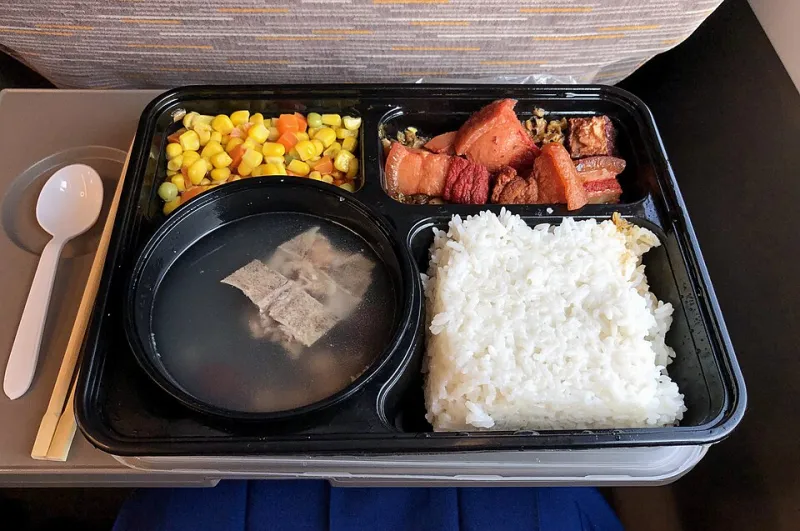
Photo: N509FZ, CC BY-SA 4.0, via Wikimedia Commons
There's a particular kind of British despair that sets in around 6pm on a Wednesday. You're home late, the fridge contains a sad leek and half a block of cheddar, and the temptation to order a takeaway — again — is enormous. We've all been there. The meal kit subscriptions, the batch-cook Instagram accounts, the air fryer evangelists: they're all symptoms of the same problem, which is that modern British life simply doesn't leave room for cooking a proper meal from scratch every single evening.
Which is why it's always struck me as odd that so few of us have looked to Chinese home cooking for an answer. Because the everyday Chinese kitchen — not the restaurant, the home — has been solving this exact problem for centuries.
The Quiet Logic of the Chinese Home Kitchen
There's a phrase in Chinese home cooking culture that doesn't have a neat English translation, but the gist is this: the cooking is front-loaded, and the eating is easy. Sunday (or any free day) is when the real work happens. Braises go on and bubble away for hours. Stocks simmer. Vegetables are blanched, dressed and stored. Dough is made and rested.
What comes out of that session isn't five identical tubs of chilli. It's a set of components — a rich braised master sauce, a cold dressed dish, a cooked grain, a pickle — that can be recombined, re-fried and re-imagined across the week. Last night's braise becomes tomorrow's noodle topping. Leftover rice is not a leftover at all; it's the essential starting point for fried rice, and day-old rice is actually better for it because the grains stay separate.
This isn't a hack or a trend. It's just how the cuisine works. Hong shao (red-braised) pork is arguably better on day two and three than it is on day one, the fat rendered and the sauce deepened. Cold-smacked cucumber, dressed with garlic, vinegar and a little sugar, is meant to be made ahead. Congee — rice porridge — exists partly as a vehicle for transforming small amounts of leftover meat and vegetables into a whole new meal.
So let's do it properly. One Sunday session, five distinct dinners, all shoppable at a British supermarket with one trip to a Chinese grocer.
The Sunday Session: About Two and a Half Hours
Before you start, a quick shopping note. Everything except the specialty items — Shaoxing wine, dark soy sauce, dried shiitake mushrooms, fresh egg noodles, Sichuan peppercorns, Chinkiang black vinegar — is available at Sainsbury's, Tesco or Asda. The specialty list is one short trip to any Chinese supermarket, and once you've bought them, they'll last for months. Total cost for the week, assuming you have basic store cupboard staples (oil, salt, sugar, cornflour, regular soy sauce): roughly £24–£30 for two people, depending on where you shop and whether you buy free-range.
Your shopping list:
- Pork belly, 800g (£4.50)
- Chicken thighs, bone-in, 1kg (£4.00)
- Eggs, 6 (£1.80)
- Jasmine rice, 500g (£2.00)
- Fresh egg noodles, 2 packs (£3.00)
- Pak choi, 2 heads (£2.00)
- Cucumber, 1 large (£0.70)
- Spring onions, 1 bunch (£0.80)
- Ginger, garlic, red chillies (£2.50)
- Dried shiitake, Shaoxing wine, dark soy, black vinegar, Sichuan peppercorns (£6.00, one-off)
The session itself:
- Start the red-braised pork belly (hong shao rou). Cube the belly, blanch it, then simmer it low and slow with dark soy, light soy, Shaoxing wine, sugar, ginger and star anise for two hours. This is your flavour anchor for the week.
- While that bubbles, poach the chicken. Whole thighs in seasoned water, twenty minutes, then leave them to cool in the liquid. Shred the meat; strain and keep the stock — it's the base for congee later in the week.
- Make the cold cucumber salad. Smash, salt, drain and dress the cucumber with black vinegar, garlic and a whisper of sugar. It sits happily in the fridge for three days, getting better.
- Boil a big pot of jasmine rice. Eat some tonight, refrigerate the rest — cold rice is fried rice gold.
- Hard-boil four eggs, then drop them into the braising liquid for the last half hour of the pork's cooking time. Marbled, savoury, gorgeous.
That's it. Two and a half hours, one hob's worth of activity, and you've built a week.
The Five Dinners
Monday — Red-braised pork with rice and pak choi. The braise, reheated gently, spooned over fresh rice with blanched pak choi on the side. Ten minutes of actual work. This is the dish at its peak.
Tuesday — Cold cucumber, shredded chicken and noodles. Toss the shredded chicken with a dressing of black vinegar, soy, chilli oil and Sichuan pepper, serve over fresh egg noodles with the cucumber salad alongside. Cold, sharp, restorative — the kind of thing you'd happily pay £12 for in a restaurant.
Wednesday — Pork and egg fried rice. The cold rice, torn pieces of leftover pork, a sliced marbled egg, frozen peas if you like, spring onion, and a fierce heat under the wok. Day-old rice, remember — it fries better than fresh. Twenty minutes, start to finish.
Thursday — Chicken congee. The reserved poaching stock, a handful of rice, ginger, and a slow simmer until the grains collapse into silky porridge. Top with the last of the shredded chicken, spring onion, a drizzle of soy. The Chinese kitchen's answer to chicken soup, and exactly what a wet Thursday demands.
Friday — Noodles with the dregs. Whatever pork remains, the last egg, the final pak choi, all tossed through noodles with soy, vinegar and a spoonful of chilli oil. By this point the components are small but mighty, and combining them takes less time than deciding what to order in.
Why This Works When Batch Cooking Doesn't
The difference between this and a Sunday roast leftovers strategy is intent. Nothing here was an accident. The braise was always meant to become fried rice; the poaching stock was always destined for congee. It's a system, not a salvage operation — and once you've done it a couple of times, you start to see your fridge differently. Not as a collection of ingredients waiting to be used up, but as a small library of possibilities.
That, to me, is the real cultural lesson. Chinese home cooking isn't about complexity or spectacle on a Tuesday night. It's about respect for time — the cook's time, spent generously on Sunday, and the eater's time, spent gently on Wednesday. There's a scholarly patience to it, a sense that a good meal is something you plan for rather than scramble towards.
Try it once. Worst case, you've had a very good pork belly. Best case, you've quietly changed the shape of your week.