Nine Jars That Changed My Cooking: The British Cook's Guide to a Proper Chinese Store Cupboard
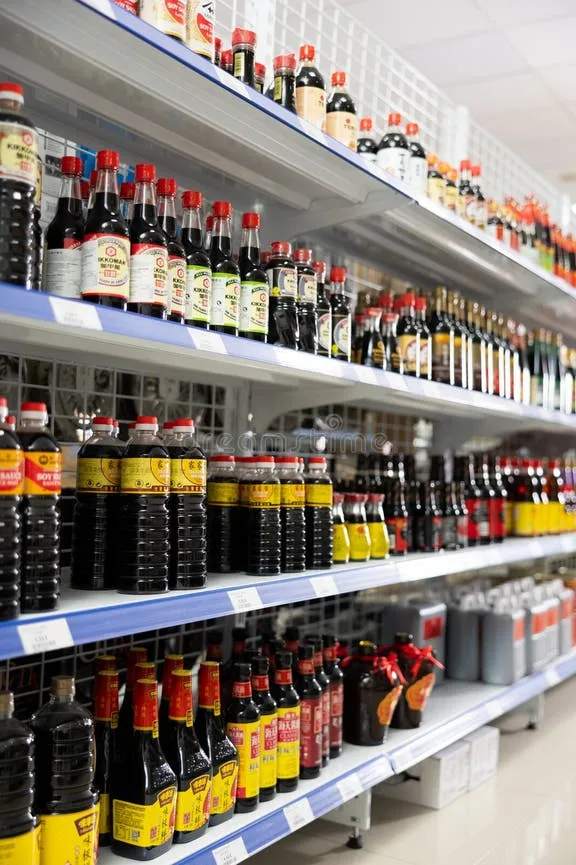
Photo: Chinese pantry ingredients soy sauce jars bottles on kitchen shelf, via thumbs.dreamstime.com
Let me confess something. For years my 'Chinese cooking' was soy sauce, garlic, and hope. The stir-fries were fine. Nobody complained. But every dish tasted suspiciously like every other dish, and I couldn't work out why restaurant food had that hum of complexity mine lacked.
The answer, it turns out, wasn't technique. It was the cupboard. Chinese cooking is a pantry-driven cuisine — the wok gets the glory, but the bottles do the heavy lifting. Here are the nine that matter, all of them easy to find in Britain.
1. Light Soy Sauce
The workhorse. Salty, savoury, thin — this seasons almost everything. Don't confuse it with dark soy (more on that below). Tesco's own light soy is perfectly serviceable; Pearl River Bridge is the enthusiast's pick.
Cook it: Egg fried rice. Day-old rice, spring onions, a beaten egg, two teaspoons of light soy. Done.
2. Dark Soy Sauce
Thicker, sweeter, aged longer. This is for colour and depth, not salt. A teaspoon turns braises mahogany.
Cook it: Braised pork belly with ginger and a splash of dark soy. Let it bubble for an hour and try not to weep.
3. Chinkiang (Black) Vinegar
Made from glutinous rice, malty and gently sweet — the balsamic of the east. Chinese grocers stock it; some big supermarkets do too.
Cook it: Dumpling dipping sauce — black vinegar, a little soy, chopped garlic, chilli oil if you're feeling brave.
4. Shaoxing Wine
The backbone of countless braises and marinades. Dry sherry is the classic British corner-shop swap and honestly nobody will notice.
Cook it: Drunken chicken. Poach, chill, soak in Shaoxing overnight. Impress everyone.
5. Doubanjiang (Fermented Bean Paste)
The soul of Sichuan food — salty, funky, fiery. This is what makes mapo tofu taste like mapo tofu. Find it in any Chinese grocer or online for a couple of quid.
Cook it: Mapo tofu, obviously. Silken tofu, minced pork, a tablespoon of the paste, Sichuan pepper if you have it.
6. Sesame Oil (Toasted)
A finishing oil, never a frying oil. Half a teaspoon at the end of cooking transforms noodles and soups. Lidl and most supermarkets carry it.
Cook it: Smashed cucumber salad — cucumbers, garlic, vinegar, soy, sesame oil. Ten minutes, total triumph.
7. Chilli Oil
Buy it or make it — good jars come with crunchy sediment that's arguably the best bit. Lao Gan Ma is the cult classic and costs about £2.
Cook it: Drizzle over plain noodles with a splash of soy and some spring onion. Student food elevated to philosophy.
8. Oyster Sauce
Savoury, slightly sweet, essential to the takeaway flavour you grew up with. Vegetarian mushroom 'oyster' sauce is now widely available and very good.
Cook it: Chinese greens — pak choi or gai lan blanched, then dressed with oyster sauce thinned with a spoon of hot water.
9. Dried Shiitake Mushrooms
The sleeper hit of the list. Soaked, they give broths a savoury depth that fresh mushrooms can't touch — and the soaking liquid is liquid gold for stocks.
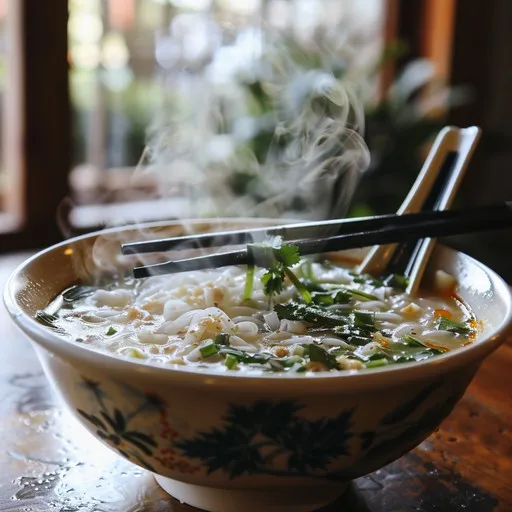
Cook it: Simple shiitake and noodle soup — soak the mushrooms, use the liquid as the broth base, add soy and sesame oil.
Where to Shop
Big supermarkets cover items 1, 2, 6, 8 and often 4 and 7. For the rest — the vinegar, the doubanjiang, the good dried mushrooms — find your nearest Chinese grocer or use one of the UK's online Asian supermarkets. Total outlay for the full nine: comfortably under £25, and the cupboard will last months.
The old scholars of Shuxiang Ge knew that great writing starts with good materials — ink, paper, a quiet room. Great cooking is no different. Fill the cupboard, and the dishes write themselves.