Ordering Like a Scholar: How to Read a Chinese Menu the Way Regulars Do
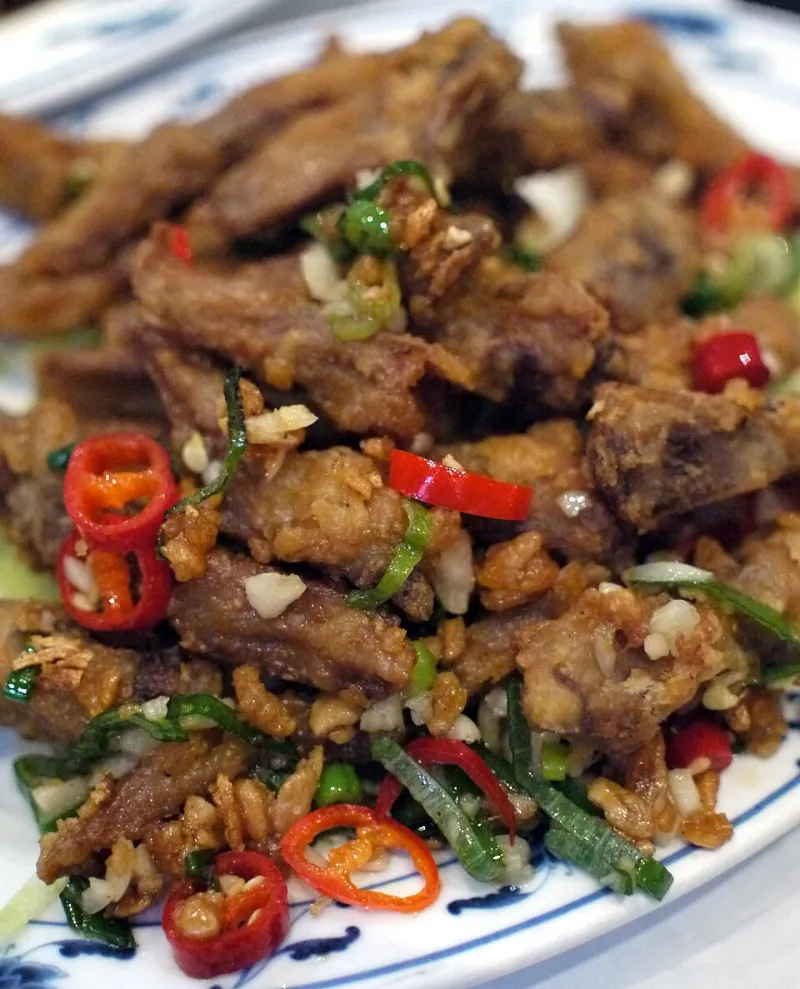
Photo: Takeaway, CC BY-SA 3.0, via Wikimedia Commons
Anyone can order a Chinese takeaway. But composing one — properly, thoughtfully, the way a regular does on their tenth visit — is a small, learnable discipline. Think of it as the difference between buying books at random and building a library.
At Shuxiang Ge, we like to think of ordering as a bit of scholarship: a little method, a little curiosity, and a willingness to stray from page one of the menu. Here's your study plan.
Rule One: Balance Is Everything
A seasoned Chinese diner rarely orders five dishes that all taste the same. The instinct is to balance — one salty, one fresh, one rich, one plain. If you're having sticky ribs, pair them with something bright and vegetable-forward like pak choi with garlic or a smashed cucumber salad. If your main is a fiery Sichuan number, give the table a soothing dish of egg fried rice or plain steamed rice to rest the palate between bites.
The classic framework is simple: a protein dish, a vegetable dish, something saucy, something dry, and plenty of rice. Four dishes between three people is a decent rule of thumb — you're aiming for a table with contrast, not a chorus singing the same note.
Texture: The Thing Nobody Talks About
Western menus sell flavour; Chinese menus sell texture. That's why you'll see words like crispy, silky, tender, crunchy and springy doing so much heavy lifting. A great order hits several of them.
So next time, think in textures. Crispy: salt and pepper squid or crispy chilli beef. Silky: mapo tofu or steamed egg custard if you can find it. Springy: hand-pulled noodles if they're on offer. Tender: slow-braised beef or char siu. A plate of nothing-but-crispy is a one-dimensional evening; a table with crunch and silk and chew feels like a proper feast.
The Art of Sharing
Chinese dining is communal by design. Dishes land when they're ready, sit in the middle, and everyone reaches. Ordering one main each and guarding it like a fortress rather misses the point.
A few pointers from the regulars' playbook: order one more dish than there are diners, so there's always something within reach; let the rice and noodles come as supporting players rather than the star; and don't be precious about the 'correct' pairing — the beauty of the shared table is that the cool cucumber salad rescues you mid-chilli and the saucy aubergine ends up on your rice whether you planned it or not.
Questions Worth Asking
A good takeaway kitchen will happily steer you. Useful questions include:
- "What's good today?" — Kitchens push what's freshest. This question has never once been regretted.
- "How spicy is it, really?" — Menus lie generously about chilli heat. Ask, and specify your tolerance.
- "What do locals order?" — If a dish isn't on the English menu's front page but the regulars love it, that's the one you want.
- "Can you do it less sweet?" — Many UK-adapted dishes can be adjusted. It never hurts to ask.
Your Scholar's Cheat Sheet
Stuck in a sweet and sour rut? Try one of these combinations on your next order:
- The Texture Study: crispy chilli beef, mapo tofu, egg fried rice, smashed cucumber salad.
- The Comfort Seminar: braised beef with noodles, pak choi with oyster sauce, spring rolls.
- The Bold Move: anything with 'Sichuan' or 'dry-fried' in the name, plus plain rice and something cooling.
- The Quiet Classic: salt and pepper chicken, egg fried rice, and a proper soup to start.
None of this requires expertise — just the same curiosity you'd bring to any good book. Read the whole menu, ask a question or two, and order for the table rather than the individual. That's the scholar's way. And unlike most scholarship, this kind ends in dinner.