Ants on a Menu: Decoding the Poetry Hiding in Plain Sight at Your Local Chinese
There's a particular moment familiar to anyone who's stood at the counter of a Chinese takeaway on a Friday evening: you've scanned past the sweet and sour, past the chow mein, and your eyes land on something called Ants Climbing a Tree. You pause. You wonder, briefly, whether you've misread it. You order the chicken balls instead.
You're not alone. But you may be missing out on one of the great pleasures of Chinese food culture — a tradition of naming dishes like tiny poems, where the name tells you less about the ingredients and more about how the dish should make you feel.
At Shuxiang Ge — a name that itself gestures toward the scholar's study — we think the language deserves as much attention as the cooking. So here are five poetic dish names, decoded, with a note on how to actually order them in a British setting.
Ants Climbing a Tree (蚂蚁上树)
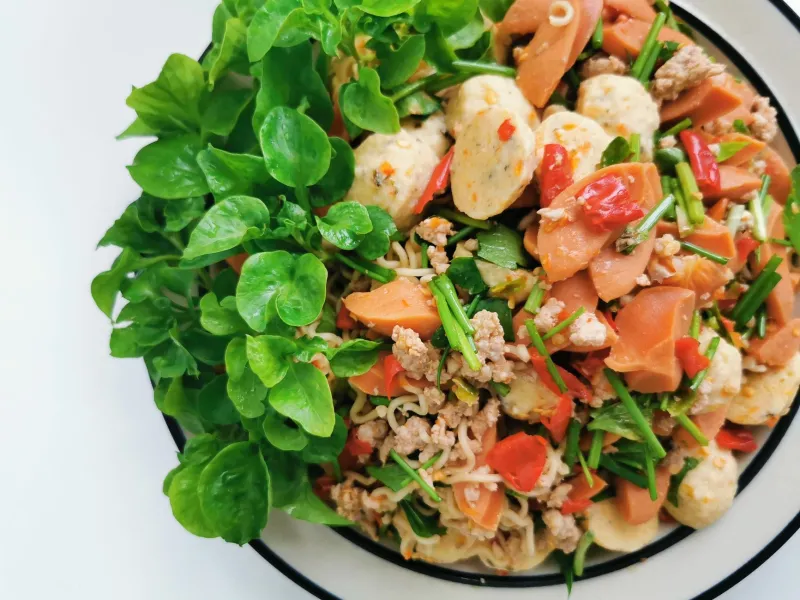
Let's start with the one that causes the most raised eyebrows in Notts and Newcastle alike. Rest assured: no ants are involved. This is a Sichuan dish of glass noodles stir-fried with minced pork, the little flecks of meat clinging to the translucent noodles like, well, ants scrambling up branches.
The name is a visual metaphor, pure and simple, and the dish itself is a marvel — slippery, savoury, faintly numbing with Sichuan pepper if done properly. It's also, historically, a dish of economy: a small amount of pork stretched over noodles to feed a family.
How to order it: Ask for "Sichuan-style minced pork glass noodles". Any self-respecting menu will have some version of it, even if it's hiding under a blander English name.
Phoenix and Dragon (龙凤配)
A dragon and a phoenix on one plate sounds like something from a fantasy box set, but the translation is charmingly practical. The dragon is the prawn (its curled, segmented body resembling the mythical beast), and the phoenix is typically chicken. Together they represent an auspicious pairing — in Chinese culture, dragon and phoenix together symbolise harmony, often invoked at weddings.
So when you order this dish, you're essentially eating a blessing. Which feels like decent value for a Saturday night.
How to order it: "Prawn and chicken combination" is your safest phrasing. In Cantonese restaurants, look for dragon-phoenix plates or anything described as a "dual delicacy".
Lion's Head Meatballs (狮子头)
This one at least sounds plausible — until you learn that no lions were consulted. These are enormous, pillowy pork meatballs from Jiangsu province, braised until wobbly-tender, often with cabbage or bamboo. The name comes from the way the meatball's roughened surface, with its frilly napa cabbage mane, resembles a lion's shaggy head.
There's something wonderfully un-British about the naming logic here. We name dishes after what's in them; the Chinese tradition often names them after what they resemble or what they evoke. A meatball that looks like a lion is more interesting than a meatball that is merely a meatball.
How to order it: "Large braised pork meatballs" or, on Shanghainese-leaning menus, look for the characters 狮子头. Worth the ask — they're a revelation compared to the ping-pong meatballs most of us grew up with.
Phoenix Tails (凤尾)
Less a single dish than a naming convention: anything described as "phoenix tail" usually involves prawns butterflied so they fan out like a tail feather, then battered or breaded and fried. It's the dish responsible for half the decorative flourishes on a mixed platter, and it deserves more credit than it gets — crisp, juicy, and built for dipping.
The poetic naming here is essentially food styling in word form. Centuries before anyone said "Instagram-worthy", Chinese cooks were naming dishes after how they wanted to be admired.
How to order it: "Butterflied fried prawns" will get you there, or simply point at the pretty ones on the platter photo.
Crossing the Bridge Noodles (过桥米线)
The loveliest story on this list. From Yunnan province, this dish arrives as a bowl of scalding broth — kept fiercely hot by a layer of oil — with raw ingredients on the side. You add the meat, vegetables and rice noodles yourself, and the broth cooks them in seconds.
The legend: a scholar's wife reportedly carried lunch daily across a bridge to her husband, studying on an island. To keep the soup hot on the journey, she topped it with oil and packed the fresh ingredients separately, combining them only on arrival. The name commemorates her ingenuity — and his exam results, presumably.
How to order it: Increasingly common in the UK as Yunnan restaurants spread beyond London. Ask for "rice noodle soup with separate toppings" and prepare to assemble it yourself. It's dinner and a small ritual in one.
Why the Names Matter
There's a temptation, reading a menu through a language barrier, to stick to the safe column — the English translations, the familiar dishes. Understandable. But every poetic name is a small door into the culture that cooked it. Ants Climbing a Tree tells you about Sichuan wit and thrift. Crossing the Bridge tells you a love story. Lion's Head tells you that a cook somewhere looked at dinner and saw a beast, and thought that was worth celebrating.
The scholars of old China believed that food and language were never really separate — that a well-chosen word could season a dish as surely as any spice. Next time the menu mystifies you, lean in. Ask the question. Order the ants.
They're delicious.